Prolonged poor appetite in children can lead to underweight, undernutrition, weaker immunity and slower growth in height and brain development. To help children eat well and grow healthily, parents need to learn ways to stimulate appetite.
Prolonged poor appetite in children can lead to underweight, undernutrition, weaker immunity and slower growth in height and brain development. To help children eat well and grow healthily, parents need to learn and apply ways to stimulate appetite.
Adding essential nutrients not only improves appetite but also supports children's development.
Poor appetite in children: causes and solutions
Children who won't eat or gain weight are a worry for many parents. At every stage of development, nutrition plays a key role in physical and brain development. A long-term poor appetite leads to weight loss, making children more likely to become undernourished and stunted.

Picky eating worries many parents.
Poor appetite may be caused by a lack of nutrients such as zinc, L-lysine and B vitamins, or by recovery after illness. The digestive system may be affected or the child's growth rate may slow.
Many worried parents try different ways to stimulate their child's appetite — but this should be done with a doctor's advice.
Helping children eat well naturally and stay healthy
To improve appetite, parents should vary the menu, plan suitable meals and focus on meal quality.
For picky eaters, adding certain key nutrients is especially important. Parents should focus on foods rich in zinc, B vitamins and lysine, which play an important role in stimulating taste and supporting digestion.
Zinc-rich foods such as oysters, red meat and nuts can help improve appetite. B vitamins, found in whole grains, green vegetables and dairy products, support health and energy. Lysine, found in fish, beans, eggs, milk and seaweed, helps improve taste and absorption.
Encouraging outdoor activities such as running, football and skipping also stimulates digestion and hunger, helping children eat better.
Parents should also seek advice from nutrition experts on adding the nutrients needed to improve picky eating naturally and sustainably.

A varied menu and plenty of physical activity help children eat well and digest better.
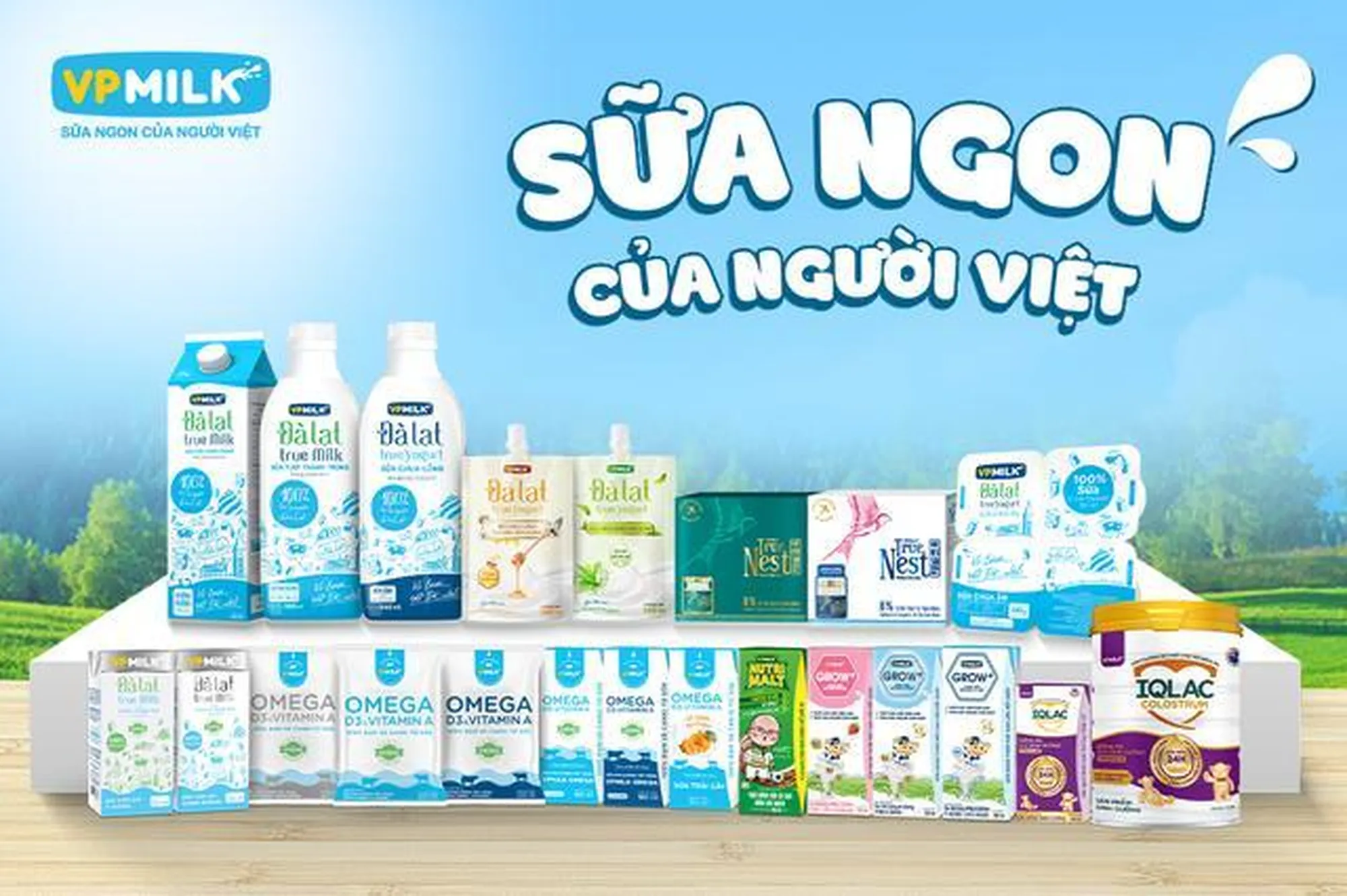
One standout option is IQLac Colostrum Premium nutritional milk (food supplement) for picky and undernourished children.
Made and distributed by VPMILK Joint Stock Company, IQLac Colostrum contains medium-chain triglycerides (MCT), L-Lysine and Vitamin B1 to release energy quickly, stimulate appetite and support healthy weight gain.
It also contains HMO and dual FOS/Inulin fibre to strengthen the gut microbiome, improve digestion and boost absorption.
With milk calcium and Vitamin D3, IQLac Colostrum helps children build strong bones as a foundation for height growth, while the DHA, Choline and Taurine trio supports brain development.
In addition, 24-hour colostrum is rich in IgG antibodies and essential minerals such as zinc and selenium, strengthening children's immune systems.
With a carefully researched protein level, IQLac Colostrum adds nutrition and helps children enjoy their food, so parents can confidently use it long-term.

With IQLac Colostrum nutritional milk, every meal is a happy one.
Source: suckhoedoisong.vn (in Vietnamese)